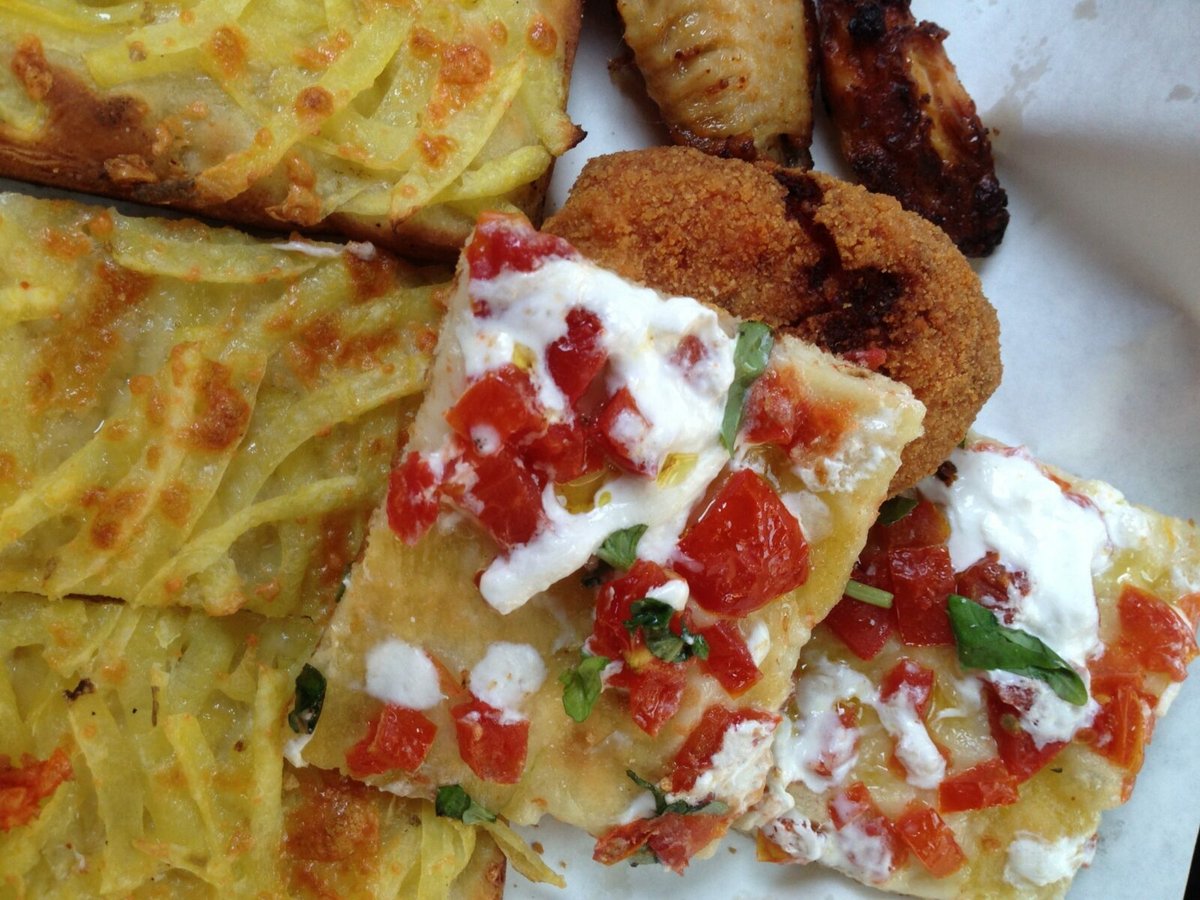
When you're chasing the true flavors of Rome, not just the tourist-friendly versions, a Testaccio Rome food guide becomes your essential map. This isn't just another neighborhood; it’s the city’s undisputed culinary heart, a place where generations of Roman cooks have perfected hearty, unpretentious dishes that define the capital’s gastronomic soul. Forget polished facades and English menus aimed squarely at visitors; Testaccio serves up authentic Roman cuisine with a working-class grit and an unrivaled passion, a testament to its origins as the city's historic slaughterhouse district.
At a Glance
- Discover "Quinto Quarto": Learn the history and taste the definitive versions of Rome's unique offal-based cuisine.
- Master Mercato Testaccio: Navigate this vibrant market for street food, fresh produce, and local specialties like a seasoned local.
- Unlock Trattoria Secrets: Identify the best trattorias for classic pasta dishes (carbonara, amatriciana, gricia) and how to dine like a Roman.
- Embrace Local Pace: Understand why taking your time, ordering multiple courses, and coming hungry are key to the Testaccio experience.
- Beyond the Plate: Briefly grasp how Testaccio's evolving cultural scene complements its culinary prowess.
Testaccio's Culinary Roots: The "Heart and Stomach" Defined
Testaccio is often called the "heart and stomach" of Rome, and for good reason. Historically, this area south of the Aventine Hill was home to Rome's vast municipal slaughterhouse, the Mattatoio. This industrial heritage gave birth to "quinto quarto" (fifth quarter) cuisine—a resourcefulness born of necessity where butchers and working-class families utilized the parts of the animal often discarded by the wealthy: offal. Tripe, oxtail, intestines, and more were transformed into robust, flavorful dishes that are now quintessential Roman classics. This legacy of honest, hearty cooking persists today, making Testaccio a bastion of culinary authenticity.
While the Mattatoio has since reinvented itself as a contemporary art museum, its culinary spirit endures. This isn't a neighborhood dressed up for tourists; it's a vibrant, living community where locals shop, eat, and gather. The food here tells a story of tradition, innovation, and an unwavering commitment to genuine Roman flavors. For a deeper dive into how Rome's distinct districts shape its cuisine, explore our guide to Authentic Rome neighborhood dining, where Testaccio consistently stands out.
The Unmissable Mercato Testaccio: A Feast for the Senses
Your culinary journey in Testaccio must begin, or at least pass through, the Mercato Testaccio. This modern, covered market (officially known as Nuovo Mercato di Testaccio) is the beating heart of the neighborhood's food scene, a bustling hub where traditional vendors meet contemporary street food stalls. It's clean, organized, and brimming with life—a true reflection of local Roman commerce.
What to Expect & How to Dive In:
- Fresh Produce & Provisions: Start by wandering through stalls piled high with seasonal fruits, vegetables, cheeses, cured meats, and fresh pasta. Observe how locals interact with their vendors, often buying specific ingredients for the day's meals.
- Street Food Extravaganza: The market truly shines with its prepared food stalls, offering quick, delicious bites perfect for a casual lunch or snack.
- Trapizzino: An absolute must-try. Invented by Stefano Callegari, this revolutionary pizza pocket sandwich comes filled with classic Roman stewed dishes like coda alla vaccinara (oxtail), pollo alla cacciatora (hunter's style chicken), or tripe. It’s a genius fusion of pizza and traditional Roman cucina, perfect for eating on the go.
- Supplì: These fried rice balls, typically filled with tomato sauce, rice, and a melting piece of mozzarella (creating a "surprise" stringy effect, hence supplì al telefono), are a Roman staple. Look for freshly fried batches.
- Authentic Coda alla Vaccinara: While you’ll find it in trattorias, some market stalls offer incredible, slow-cooked oxtail stew, often served with bread to soak up the rich sauce. It’s a perfect introduction to quinto quarto cuisine.
- Sit-Down Options: Beyond street food, several market stands have evolved into small, informal restaurants, serving full dishes right there. This offers a fantastic opportunity to try a variety of Roman specialties in a lively atmosphere.
- Practical Tips:
- Timing: Go for lunch (12:00 PM – 2:00 PM) for the fullest experience when all the street food vendors are in full swing.
- Cash: While many vendors accept cards, having some euros on hand is always wise for smaller purchases.
- Come Hungry: The variety is overwhelming in the best possible way; plan to graze rather than commit to one dish.
Trattorias: Where Roman Classics Achieve Perfection
Beyond the market, Testaccio's streets are lined with trattorias renowned for serving definitive versions of Rome's most beloved pasta dishes and meat courses. These aren't Michelin-starred restaurants, but places where tradition, quality ingredients, and generations of cooking expertise truly shine. Expect a lively atmosphere, often boisterous, and a deep sense of culinary pride.
Must-Try Dishes and Recommended Spots:
- Carbonara: The quintessential Roman pasta. Look for versions made with guanciale (cured pork jowl), pecorino romano cheese, egg yolks, and black pepper. Testaccio trattorias pride themselves on getting this perfect—no cream, no bacon!
- Amatriciana: A robust tomato-based sauce with guanciale, pecorino romano, and sometimes a touch of chili. It’s savory, spicy, and deeply satisfying.
- Gricia: Often called "white amatriciana," this is amatriciana without the tomato. It's a simple yet incredibly flavorful combination of guanciale, pecorino romano, and black pepper. Many Romans consider this the true ancestor of carbonara and amatriciana.
- Cacio e Pepe: Another deceptively simple dish: Pecorino Romano cheese and black pepper emulsified with pasta water to create a creamy, intensely cheesy sauce. Its perfection lies in the technique.
Featured Trattorias (and what they're known for): - Felice a Testaccio (Via Mastro Giorgio, 29): A legendary institution known for its impeccable cacio e pepe, often prepared tableside with a dramatic flourish. Reservations are absolutely essential, and they traditionally have a policy of not serving cacio e pepe on specific days, so check ahead. Their polpette (meatballs) are also highly regarded.
- Flavio al Velavevodetto (Via di Monte Testaccio, 97): Built directly into the ancient Monte Testaccio (literally, the hill of broken amphorae), this trattoria offers a unique ambiance. They excel at all the Roman pasta classics and their coda alla vaccinara is legendary. Expect generous portions and a bustling environment.
- Pecorino (Via Galvani, 64): A smaller, more intimate trattoria known for its authenticity and focus on high-quality ingredients, particularly Pecorino Romano cheese, as the name suggests. Excellent pasta dishes and a genuine local feel.
- Da Bucatino (Via Luca della Robbia, 84): Another well-established trattoria, known for its friendly atmosphere and classic Roman dishes, including abbacchio scottadito (grilled lamb chops).
Dining Like a Roman: Practical Advice for Trattorias - Reservations are Key: For popular trattorias, especially on weekends or evenings, booking a table in advance is non-negotiable. Many places open for lunch around 12:30 PM and dinner around 7:30 PM.
- Embrace Multiple Courses: Romans typically eat antipasto (appetizer), primo (pasta or soup), secondo (meat or fish with a contorno / side dish), and then dolce (dessert). You don't have to order all, but try at least a primo and a secondo to get the full experience.
- Take Your Time: Dining in Testaccio is a social event. Don't expect a quick meal. Savor each dish, enjoy the conversation, and soak in the atmosphere.
- House Wine: Don't shy away from ordering the vino della casa (house wine) by the carafe. It's usually inexpensive and perfectly accompanies the robust food.
Diving Deep into Quinto Quarto Cuisine
While you'll find coda alla vaccinara and tripe (often trippa alla romana) in many trattorias, Testaccio is the place to truly appreciate the art of quinto quarto. This isn't just about using offal; it's about transforming humble ingredients into dishes of incredible depth and flavor through slow cooking, clever seasoning, and a deep understanding of traditional techniques.
Beyond Oxtail:
- Trippa alla Romana: Beef tripe, slow-cooked in a rich tomato sauce with Pecorino Romano, mint, and sometimes a touch of chili. It's tender, savory, and far more delicious than it sounds.
- Pajata: For the truly adventurous, pajata is made from the intestines of unweaned calves, still containing milk. It's typically served as a pasta sauce (often with rigatoni) and is incredibly rich and specific to Roman cuisine. It's becoming harder to find due to regulations but is a historical Testaccio dish.
- Coratella: Lamb offal (heart, liver, lungs) sautéed with artichokes or onions. A classic Easter dish, but sometimes found year-round.
Approaching quinto quarto requires an open mind and a willingness to step outside your comfort zone. These dishes are deeply flavorful and represent the heart of Roman culinary heritage.
Beyond the Traditional: Pizzerias, Gelaterias, and Modern Flavors
While Testaccio is synonymous with traditional Roman fare, it's also a dynamic neighborhood that embraces new culinary trends alongside its timeless classics. You'll find excellent pizzerias and artisan gelaterias that hold their own against the city's best.
- Pizzerias: Look for places specializing in pizza romana, characterized by its thin, crispy crust (as opposed to the softer, chewier Neapolitan style). Many trattorias will also serve pizza in the evenings.
- Gelaterias: No Roman meal is complete without gelato. Seek out small, independent gelaterias that advertise "gelato artigianale" (artisan gelato), indicating fresh, natural ingredients and traditional methods. Flavors like pistacchio, nocciola (hazelnut), stracciatella, and various fruit sorbets are always a good bet.
Testaccio's Unique Vibe: A Cultural Backdrop to Your Meal
Testaccio isn't just a collection of restaurants; it's a neighborhood with a distinct character that enriches the dining experience. Its working-class roots, artistic revival, and fascinating history create a unique backdrop for your culinary explorations.
Integrating Sightseeing for a Full Experience:
- Monte Testaccio: The "hill" itself is a fascinating historical anomaly, made entirely of broken amphorae (clay pots) from ancient Roman trade. Its porous structure historically led to the creation of wine cellars, some of which are now occupied by new bars and clubs—a cool post-dinner spot.
- Non-Catholic Cemetery (Via Caio Cestio, 6): A surprisingly peaceful and beautiful place for a pre-dinner stroll. It's the final resting place of poets John Keats and Percy Bysshe Shelley, and features a charming colony of cats.
- Pyramid of Cestius: An ancient Roman tomb built in Egyptian pyramid style, visible from outside the Non-Catholic Cemetery. It’s an unexpected sight in the middle of Rome.
- Il Mattatoio (Piazza Orazio Giustiniani, 4): The former slaughterhouse, now a contemporary art museum. It's a striking example of Testaccio's transformation.
- La Città dell’Altra Economia (Largo Dino Frisullo): Within the former slaughterhouse complex, this hub promotes organic farming, fair trade, and sustainable living, often hosting markets and events. A great spot for a bio-cafe or eco-conscious shopping.
Exploring these sites before or after a meal adds context and flavor (pun intended!) to your Testaccio experience, offering a deeper appreciation for this vibrant Roman district.
Quick Answers: Decoding Testaccio Dining
Q: Is Testaccio a touristy neighborhood?
A: Not in the way that areas like Trastevere or the Pantheon are. While it's gaining recognition, Testaccio remains predominantly a local Roman neighborhood, especially for food. Its authenticity is a major draw for visitors seeking a genuine experience, but you'll primarily be dining alongside Romans.
Q: What's the best time to visit Mercato Testaccio?
A: For the full food market experience, aim for weekday lunch (12 PM - 2 PM). Most vendors are open from morning until mid-afternoon (around 3 PM). Weekends can be busier, but still vibrant.
Q: What exactly is "quinto quarto" cuisine?
A: "Quinto quarto" literally means "fifth quarter." It refers to the edible parts of an animal typically discarded by the wealthy (the "first four quarters" being the prime cuts of meat). These include offal like tripe, oxtail, liver, and intestines. It's a cuisine born of necessity and ingenuity, now a highly prized part of Roman culinary heritage.
Q: Do I need reservations for Testaccio trattorias?
A: Yes, absolutely, especially for dinner and popular lunch spots like Felice or Flavio al Velavevodetto. Testaccio trattorias are often bustling with locals, and turning up without a reservation can lead to a long wait or disappointment.
Q: Can I find vegetarian options in Testaccio?
A: While Testaccio is famous for its meat-heavy Roman classics, you can certainly find vegetarian options. Pasta dishes like cacio e pepe and simple pomodoro (tomato sauce) are often available. Many trattorias also offer vegetable sides (contorni) like cicoria ripassata (sautéed chicory) or carciofi alla romana (Roman-style artichokes, when in season). The market also has fresh produce and vegetarian street food.
Your Testaccio Food Playbook: Eat Like a Local
To truly unlock the flavors of Testaccio, think of it as a journey, not just a meal.
- Morning Warm-up (Optional): Start with a classic Italian breakfast at a local bar: a strong espresso and a cornetto (Italian croissant).
- Market Mania (Lunch): Head to Mercato Testaccio for a vibrant lunch. Graze on a trapizzino (try a coda alla vaccinara or trippa filling), a supplì, and perhaps some fresh pecorino cheese from a deli stall.
- Digestive Stroll (Afternoon): Walk off your lunch by exploring the Non-Catholic Cemetery, admiring the Pyramid of Cestius, or visiting the il Mattatoio for a dose of contemporary art and history. This helps build an appetite for dinner.
- Trattoria Triumph (Dinner): Book a table at a renowned trattoria like Felice or Flavio al Velavevodetto. Start with an antipasto (perhaps fried zucchini flowers if in season), choose a classic primo like carbonara or amatriciana, and for your secondo, consider a quinto quarto specialty like coda alla vaccinara or trippa alla romana. Don't forget a contorno and the house wine.
- Sweet Ending: Finish your day with an authentic gelato artigianale from a local gelateria.
Embrace the rhythm of Testaccio: slow down, savor every bite, and engage with the passionate culinary traditions that make this neighborhood the undisputed "stomach of Rome." You won't just eat; you'll experience a true taste of Roman life.