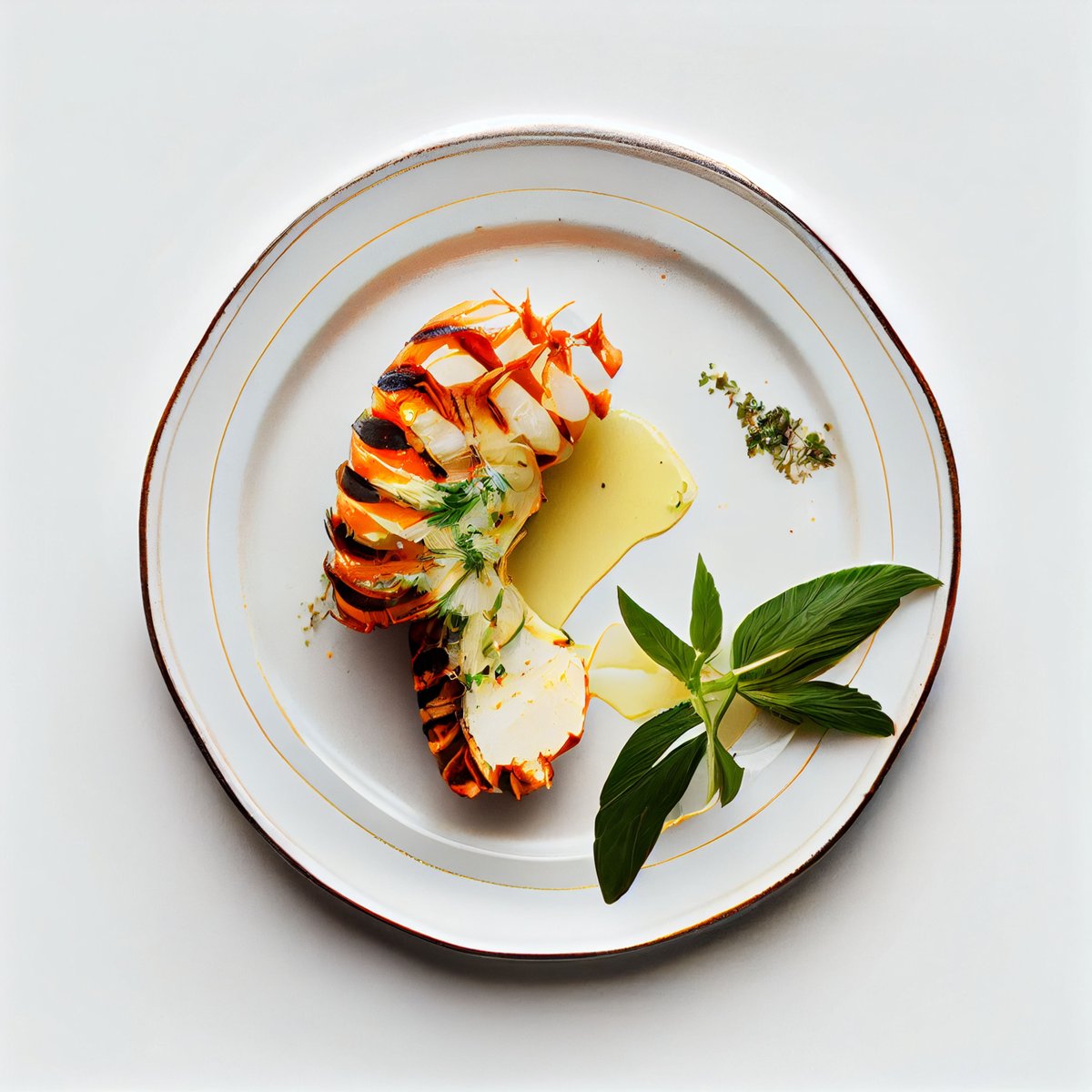
Fine Dining & Michelin-Starred: Embark on an Elevated Gastronomic Adventure
There's a certain magic that surrounds the words "Fine Dining & Michelin-Starred." It conjures images of exquisite plates, impeccable service, and an atmosphere humming with anticipation. For many, it's the pinnacle of culinary aspiration, a bucket-list experience that transcends a simple meal to become a true gastronomic journey. But what exactly lies behind the white tablecloths and the legendary red guide? And how can you navigate this world to truly savor every moment?
This guide peels back the layers, offering you an insider's look at the world of elevated dining. We’ll explore the rigorous standards of the Michelin Guide, demystify the star system, pinpoint where California's culinary scene shines brightest, and equip you with the knowledge to make your next fine dining adventure unforgettable.
At a Glance: Your Quick Guide to Michelin-Starred Dining
- Michelin Stars are the Gold Standard: Awarded by anonymous inspectors, they signify exceptional culinary quality, with one, two, or three stars denoting increasing levels of excellence.
- More Than Just Stars: Michelin also recognizes Bib Gourmand (great food at good value) and Green Stars (sustainable practices).
- Inspectors are Anonymous Experts: Passionate about food, they assess every detail from product quality to consistency.
- Impact is Immense: Earning (or losing) a star can significantly transform a restaurant's reputation and success.
- California is a Culinary Hotbed: The state boasts numerous Michelin-recognized establishments, with the Bay Area leading the charge.
- It's an Experience: Fine dining extends beyond the plate to encompass service, ambiance, and the entire narrative of your meal.
The Art of Elevated Dining: What Fine Dining Truly Means
Before we dive into the stars, let's understand the canvas. Fine dining isn't merely about exorbitant prices or hushed tones; it's a holistic culinary philosophy. At its core, it prioritizes an experience where every element is meticulously curated to delight the senses and elevate the act of eating into an art form.
Think beyond just ingredients, although those are paramount. Consider the precision in technique, the artistry of presentation, the seamless ballet of service, the thoughtful ambiance that sets the mood, and the narrative a chef weaves through their menu. It’s an immersion, a temporary escape where the culinary team is dedicated to exceeding expectations from the moment you step through the door until your final bite. This commitment to excellence is what truly distinguishes fine dining from more casual culinary encounters.
The Constellation of Culinary Excellence: Unpacking Michelin Stars
The Michelin Guide is arguably the most prestigious and influential restaurant rating system in the world. Its red covers are synonymous with culinary benchmarks, guiding gastronomes to exceptional dining experiences across the globe.
A Century of Gastronomic Guidance: The Michelin Story
It might surprise you to learn that the Michelin Guide was originally conceived by tire manufacturers André and Édouard Michelin in France, way back in 1900. Their goal? To encourage more road trips, thereby selling more tires. The guide initially provided practical information for motorists, including maps, car repair shops, hotels, and—yes—places to eat. What started as a modest booklet to boost tire sales evolved into the ultimate arbiter of culinary taste, now publishing annual guides for 23 countries and various large cities worldwide.
Decoding the Stars: One, Two, Three, and Why They Matter
The star system is the most famous aspect of the Michelin Guide, and each level carries immense weight and global recognition. Michelin inspectors award stars based on five universal criteria:
- Quality of the products: Are the ingredients top-notch?
- Mastery of flavor and cooking techniques: Is the food expertly prepared?
- The personality of the chef in their cuisine: Is there a unique vision evident in the dishes?
- Value for money: Is the price point justified by the experience?
- Consistency between visits: Can diners expect the same high standard every time?
Here’s what each star signifies:
- One Michelin Star (⭐): "A very good restaurant in its category." This signifies high-quality cooking, where dishes are prepared to a consistently high standard using quality ingredients. It’s a significant honor and a clear indicator of culinary excellence.
- Two Michelin Stars (⭐⭐): "Excellent cooking, worth a detour." Restaurants at this level offer exceptional cuisine, where the chef's talent and personality are evident in expertly crafted dishes. The experience is often refined, memorable, and warrants traveling out of your way.
- Three Michelin Stars (⭐⭐⭐): "Exceptional cuisine, worth a special journey." This is the pinnacle of culinary achievement. Three-starred establishments offer sublime, unique cuisine, often pushing the boundaries of gastronomic creativity. Dining here is considered a singular, unforgettable experience, a destination in itself.
The acquisition or loss of even a single star can dramatically impact a restaurant's reservations, media attention, and overall success. Chefs dedicate their careers to earning these coveted accolades, and the pressure to maintain them is immense.
Beyond the Glimmer: Bib Gourmand, Green Stars, and Other Accolades
While the stars grab the headlines, the Michelin Guide recognizes culinary excellence in various forms:
- Bib Gourmand: This highly regarded distinction highlights restaurants that offer "exceptionally good food at moderate prices." Named after Bibendum, the Michelin Man, it's a fantastic resource for discovering quality dining that won't break the bank.
- Michelin Green Star: Introduced more recently, the Green Star spotlights restaurants at the forefront of sustainable gastronomy. These establishments embrace ethical practices, work with local producers, reduce waste, and champion environmental responsibility, proving that culinary excellence and ecological consciousness can go hand-in-hand.
- The Plate: This symbol recognizes restaurants that serve "good food," indicating quality ingredients and careful preparation, even if they haven't yet earned a star or Bib Gourmand.
These additional categories make the Michelin Guide a comprehensive tool for any food lover, whether you're seeking a once-in-a-lifetime splurge or a delicious, sustainably-minded meal.
The Secret Palates: Who Are Michelin Inspectors?
The mystique of the Michelin Guide is largely thanks to its anonymous inspectors. These culinary ninjas are the backbone of the rating system, operating under strict anonymity to ensure they receive the same experience as any other diner. They are passionate about food, meticulously detail-oriented, and often have a background in the hospitality industry.
Inspectors dine out frequently, paying for their meals just like regular customers. They write comprehensive reports, assessing every aspect of the dining experience—from the quality of ingredients and precision of cooking to the service, presentation, and overall ambiance. These reports are then collectively reviewed and discussed by multiple inspectors at "star sessions," where decisions about star allocations are made by consensus. This rigorous, multi-layered evaluation process is what lends the Michelin Guide its unparalleled credibility.
California's Culinary Crown Jewels: A Michelin Landscape
The Golden State has firmly established itself as a global gastronomic powerhouse, boasting a vibrant and diverse fine dining scene that has captured the attention of Michelin inspectors. Around 600 restaurants in California have received a Michelin accolade, whether a Bib Gourmand, a Green Star, or "The Plate." However, the truly elite club of those with actual stars is much smaller, with only about 80 establishments earning one or more.
Golden State Grandeur: Bay Area's Dominance
When it comes to Michelin stars, the Bay Area stands as California's undisputed leader. The Greater San Francisco area alone reigns supreme, being the only city in California to boast multiple three-Michelin-starred restaurants. This concentration of top-tier talent and innovative cuisine makes it a must-visit for any serious food lover.
Southern California's Diverse Delights
Venturing south, Los Angeles proudly holds a significant number of Michelin-starred restaurants, celebrated for their diverse offerings. Japanese cuisine, particularly sushi, is a strong highlight among LA’s starred establishments, reflecting the city’s rich cultural tapestry. Further south, Orange County features three Michelin-star restaurants, all conveniently located in Costa Mesa. San Diego, while currently home to a handful of starred restaurants, shows immense potential for growth, with its burgeoning culinary scene catching the eye of inspectors. This diversity in Southern California means you can experience luxury dining in a myriad of styles, from contemporary American to authentic regional Mexican.
Central Coast & Beyond: Emerging Gastronomic Destinations
Michelin's reach in California extends well beyond the major metropolitan hubs, revealing hidden gems and burgeoning culinary scenes in less expected locales:
- Santa Barbara: A relatively new addition to the Michelin map, with Bell's being a key restaurant drawing attention to the region's elevated offerings.
- Paso Robles: Another exciting newcomer, featuring Six Test Kitchen, renowned for its innovative multiple-course tasting menu experiences.
- Central California (Carmel-by-the-Sea): This picturesque coastal town boasts two Michelin-starred restaurants, specializing in elevated contemporary California cuisine that celebrates local ingredients.
- Sacramento: The state capital is home to two single-star restaurants, The Kitchen and Localis, both recognized for their exceptional quality and unique dining experiences.
- Mendocino (Elk): The remote beauty of Mendocino is home to Harbour House, a two-star restaurant that also holds a Green Star, recognizing its commitment to sustainability alongside its culinary prowess.
- Napa and Sonoma Valleys: While not exclusively featuring the highest number of stars, these regions are globally recognized for their impressive dining scenes, offering a wide range of cuisines that perfectly complement their world-class wines.
California's Michelin-recognized restaurants showcase an incredible spectrum of culinary artistry, featuring cuisines from Californian, Korean Contemporary, and Vietnamese to classic American, Contemporary, Seafood, Steakhouse, Fusion, Mexican, Thai, Chinese, French, Japanese, Italian, Indian, and even elevated Pizza. This rich diversity ensures there’s a starred experience to tantalize every palate.
Curating Your Elevated Experience: A Diner's Playbook
Stepping into a Michelin-starred restaurant is an event. To fully appreciate the artistry and effort, a little preparation goes a long way. Think of it as preparing for a special performance; you want to be ready to absorb every note.
Planning Your Culinary Pilgrimage
The journey begins long before you arrive.
- Do Your Homework: Research the restaurant's menu, chef's philosophy, and recent reviews. Understand the type of cuisine and dining style. Some establishments specialize in a fixed tasting menu, while others offer à la carte options.
- Reservations are Non-Negotiable: Michelin-starred restaurants, especially those with multiple stars, often book out months in advance. Plan accordingly. Many have online booking systems, but for high-demand spots, setting calendar reminders for reservation release dates is crucial. If you're planning an international trip, familiarizing yourself with Rome Michelin restaurant reservations or those in other global culinary capitals can provide a good benchmark for booking best practices. Be prompt and decisive.
- Communicate Dietary Needs Early: If you have allergies, dietary restrictions, or strong preferences, inform the restaurant at the time of booking. Top establishments are usually happy to accommodate but need advance notice.
Decoding the Dress Code & Dining Etiquette
While fine dining has become more relaxed over the years, a certain level of respect for the occasion is still expected.
- Dress Code: Most Michelin-starred restaurants will have a stated dress code (e.g., "smart casual," "business attire," "jacket required"). Err on the side of being slightly overdressed rather than underdressed. For men, a jacket is often a safe bet; for women, elegant dresses, skirts, or tailored trousers are appropriate.
- Table Manners: Basic etiquette applies – no elbows on the table, use appropriate cutlery. The staff is there to guide you; don't be afraid to ask discreet questions if unsure.
- Electronics: Keep your phone on silent and resist the urge to scroll. While quick photos of your dishes are generally acceptable (and encouraged for sharing the beauty!), avoid flash photography and lengthy phone calls. The focus should be on the company and the culinary experience.
The Magic of the Tasting Menu
Many fine dining establishments, especially those with multiple stars, primarily offer a tasting menu. This isn't just a selection of small dishes; it's a meticulously crafted narrative, a journey through a chef's vision and the season's best ingredients.
Typically, a tasting menu consists of numerous courses (often 7-15 or more), each designed to be a distinct experience, showcasing different flavors, textures, and techniques. Embrace it as an adventure. Trust the chef’s progression and allow yourself to be surprised. You might find that some of the most memorable meals you have, whether it’s exploring best tasting menus in Rome or in California, come from surrendering to this guided culinary journey.
Wine, Water, & Thoughtful Pairings
The beverage program is an integral part of the fine dining experience.
- Sommelier: The sommelier is your guide to the wine list. Don't hesitate to ask for recommendations based on your preferences and budget. They can suggest perfect pairings for your tasting menu or help you navigate a vast cellar.
- Wine Pairings: Many restaurants offer expertly curated wine pairings that accompany each course of a tasting menu. This is an excellent way to discover new wines and experience how different vintages enhance specific dishes.
- Non-Alcoholic Options: The rise of sophisticated non-alcoholic pairings, including house-made juices, kombuchas, and infusions, means non-drinkers can enjoy equally thoughtful beverage experiences.
Understanding the Investment
Yes, fine dining can be expensive. But rather than just looking at the price tag, consider the value. You're not just paying for ingredients; you're investing in:
- Exceptional Ingredients: Sourced from the best purveyors, often rare or artisanal.
- Culinary Artistry: The skill, creativity, and years of training behind each dish.
- Impeccable Service: A highly trained team dedicated to anticipating your needs.
- Ambiance & Design: The carefully crafted environment that enhances the experience.
- The Narrative: The story the chef tells through their cuisine, often reflecting local culture, history, or personal philosophy.
This collective effort creates an unforgettable memory. It's why people travel across continents for these meals, viewing them as an essential part of experience luxury dining in Rome or wherever their culinary compass points.
Beyond the Hype: Addressing Common Fine Dining Questions
Let's tackle some of the common queries and misconceptions about fine dining and Michelin-starred restaurants.
"Is it truly worth the price?"
This is subjective, but for many, absolutely. If you view dining as more than just sustenance – as an art form, a cultural experience, or a special occasion – the value can far outweigh the cost. It's about collecting experiences, not just calories.
"Do I need to be a food expert to appreciate it?"
Not at all. While an understanding of culinary techniques or ingredients can enhance appreciation, an open mind and a willingness to explore are your most important tools. The staff is there to explain dishes and answer questions.
"What if I don't like something on the tasting menu?"
Ideally, communicate any strong dislikes (beyond allergies) when making your reservation. During the meal, if a dish truly doesn't resonate, you can discreetly mention it to your server. While changes might not always be possible for tasting menus, a good restaurant will often try to accommodate or offer an alternative.
"Is it pretentious?"
While some places might feel formal, the best fine dining establishments focus on hospitality and making guests feel comfortable and celebrated. Genuine passion for food and service should always shine through any formality. If it feels genuinely pretentious, that might be a reflection of the restaurant, not fine dining in general.
The Future on a Plate: Innovation and Sustainability
The world of Fine Dining & Michelin-Starred restaurants is far from static. It's a dynamic landscape where chefs continually push boundaries, innovate, and adapt to evolving tastes and global challenges. The increasing prominence of the Green Star highlights a growing movement towards sustainability, with many top restaurants leading the charge in ethical sourcing, waste reduction, and supporting local ecosystems.
We're also seeing a trend towards "casual fine dining," where the quality and technique remain exemplary, but the atmosphere might be a bit more relaxed. Plant-based and hyper-local cuisines are gaining traction, challenging traditional notions of luxury and showcasing the versatility of diverse ingredients. These changes ensure that fine dining remains relevant, exciting, and an evolving reflection of our culinary landscape.
Embarking on Your Next Gastronomic Journey
The world of Fine Dining & Michelin-Starred restaurants offers an unparalleled opportunity to explore culinary artistry at its highest level. Whether you're planning a special celebration, seeking a unique travel experience, or simply wish to indulge your senses, these establishments promise more than just a meal—they offer a story, an adventure, and a memory etched in flavor.
So, take this guide as your first course. Research, plan, and allow yourself to be immersed in the extraordinary. Your next elevated gastronomic adventure awaits.