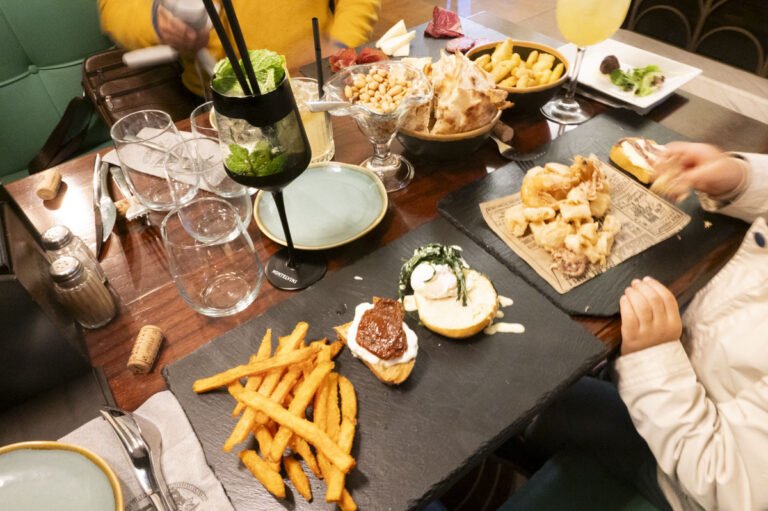
Rome. Just the name conjures images of ancient ruins, bustling piazzas, and, of course, plates piled high with cacio e pepe, carbonara, and succulent supplì. For many travelers, the dream of authentic Roman dining is a primary driver, a cornerstone of their trip. Yet, the reality can often be a disheartening parade of overpriced, under-flavored tourist traps. You arrive with visions of culinary bliss, only to find yourself eating bland pasta in a place charging extra for bread you didn't ask for. It's a common disappointment, and it usually stems from one crucial oversight: focusing on landmarks instead of genuinely local Dining by Rome Neighborhoods.
Rome isn't just a city; it's a collection of distinct villages, each with its own rhythm, character, and, most importantly, its own culinary ecosystem. To truly unlock the city's gastronomic heart, you need to navigate it like a local, understanding that the best food isn't necessarily where the biggest crowds are. It's often found a little off the beaten path, in areas where Roman families live, work, and dine out regularly.
At a Glance: Your Rome Dining Survival Guide
- Skip the Obvious: Major tourist hubs like Centro Storico and most of Monti are culinary minefields. Expect higher prices and lower quality.
- Embrace Local Life: The best food thrives where Romans actually live and eat.
- Top Neighborhoods to Explore: Prati, Testaccio, Ostiense, Sallustiano/Trieste, and a strategically planned Trastevere.
- Look for Cues: Menus in Italian, busy tables with locals, simple decor, and a focus on seasonal, local ingredients are good signs.
- Don't Be Afraid to Venture: A short metro or taxi ride can open up a world of genuine flavors.
Beyond the Postcard: Why Neighborhoods Are Your Culinary Compass
Think about it: in any major city, the areas surrounding prime tourist attractions are rarely where you find the best value or quality for food. Rome is no different. The Centro Storico, encompassing iconic spots like the Pantheon and Piazza Navona, and much of the charming Monti district, are saturated with eateries designed to catch the eye of a passing tourist rather than impress a discerning local. These establishments often prioritize speed, volume, and ease of access over culinary integrity. They know you're likely a one-time visitor, so repeat business isn't their prime concern.
The high rents in these central areas also force restaurants to cut corners or inflate prices, leading to a diminished experience. While you might occasionally stumble upon a decent spot, finding truly exceptional, authentic Roman food in these zones requires significant effort, deep research, and often, a willingness to pay a premium. For example, while Monti offers a vibrant atmosphere, navigating its food scene for true local gems can be tricky without insider knowledge. For a deeper dive into Monti, you might check out guides like Best Restaurants in Monti, but approach with a discerning eye.
Instead, the secret to savoring Rome lies in shifting your focus to its residential and working-class neighborhoods. These are the places where Romans eat every day, where quality is paramount because the clientele are regulars who demand consistently excellent food and fair prices.
Prati: Rome's Refined Dining Near the Vatican
Often overlooked by tourists rushing to St. Peter's Basilica, Prati is a sophisticated, largely residential and office district just across the Tiber from the Centro Storico. It's a bustling area during the day, frequented by professionals and local families, which translates directly into a vibrant and high-quality dining scene. Here, you'll find elegant trattorias alongside modern bistros, pizzerias that draw long queues, and an surprising array of international cuisines.
Why Prati Works:
- Local Clientele: The sheer number of locals ensures that restaurants must maintain high standards to survive. Word-of-mouth is powerful here.
- Diverse Offerings: Prati isn't just about classic Roman fare. You'll find fantastic seafood restaurants, authentic Chinese, Middle Eastern options, and some of the city's best pizza, reflecting the varied tastes of its residents.
- Convenience Near Vatican: If you're staying near the Vatican or spending a day exploring its museums, Prati offers a far superior dining experience than the immediate vicinity of St. Peter's Square.
What to Seek Out: - Pizza al Taglio: Look for bakeries and small shops offering pizza by the slice. It's a quick, delicious, and authentically Roman lunch.
- Upscale Trattorias: Prati has many slightly more refined, yet still traditional, Italian restaurants perfect for a relaxed dinner. Expect fresh pastas, excellent meat dishes, and robust wine lists.
- Seafood: Due to its slightly more affluent demographic, Prati hosts several excellent seafood restaurants, serving incredibly fresh catches from the Mediterranean.
Pro Tip: Wander the side streets off Via Cola di Rienzo and Via Candia. The further you get from the main Vatican entrance, the more authentic (and less touristy) your dining options become.
Trastevere: Navigating Charm with a Culinary Compass
Trastevere, with its cobblestone alleys and ivy-clad buildings, is undeniably picturesque. For years, it's been a magnet for tourists, and admittedly, this led to a proliferation of mediocre eateries. However, the good news is that Trastevere's food scene has seen a significant renaissance in recent years. With a bit of strategic planning, you absolutely can find proper Roman meals and truly exceptional spots. The key here is discernment.
Why Trastevere Requires Strategy:
- Improved Quality: New, passionate chefs and restaurateurs are opening establishments that prioritize quality and authenticity, reclaiming Trastevere's culinary reputation.
- Still Touristy: The sheer volume of visitors means you still need to be wary of places with aggressive touts or multi-lingual menus featuring generic photos of food.
- Vibrant Nightlife: Beyond dining, Trastevere offers a lively atmosphere for evening strolls, aperitivo, and gelato.
Where to Find Gold in Trastevere: - L’Elementare: A fantastic pizza spot that consistently gets rave reviews. Their dough is a masterpiece, and toppings are always fresh and creative.
- Eggs: If you're chasing the perfect carbonara, Eggs is a must-visit. They dedicate their menu to various egg-based dishes, with carbonara being a star. It's a deep dive into the creamy, peppery, porky perfection that defines this Roman classic.
- Otaleg: For an artisanal gelato experience that will redefine your understanding of ice cream, Otaleg is legendary. Their inventive flavors change seasonally, and the quality is unparalleled.
For a deeper exploration of the district's culinary offerings, you'll want to dig into lists of Trastevere local favorites. Remember, even in popular areas, a little research goes a long way. Look for places tucked away on quieter streets or with a clear local following.
Testaccio: The Undisputed Heart of Roman Cuisine
If there's one neighborhood synonymous with authentic Roman food, it's Testaccio. Historically the city's slaughterhouse district, its culinary identity is deeply rooted in quinto quarto – the "fifth quarter" or offal – transforming humble ingredients into beloved Roman classics. Today, while you'll still find nose-to-tail dining, Testaccio offers a broad spectrum of traditional Roman dishes, prepared with an unwavering commitment to quality and tradition.
Why Testaccio is a Must-Visit:
- Unrivaled Authenticity: This is where Romans go for their classic dishes. The food here isn't trying to cater to an international palate; it's purely Roman.
- Strong Identity: Testaccio embodies the working-class spirit of Rome, and its food reflects that: hearty, flavorful, and unpretentious.
- Local Market: The Mercato di Testaccio is a fantastic place to explore local produce, cheeses, cured meats, and grab a quick, authentic bite from its various food stalls.
Iconic Testaccio Institutions: - Felice A Testaccio: Famous for its Tonnarelli Cacio e Pepe, which is mixed tableside to a perfect creamy consistency. Be prepared for a wait, or book well in advance.
- La Fraschetta di Mastro Giorgio: A vibrant, bustling trattoria known for its traditional Roman dishes, generous portions, and lively atmosphere.
- Piatto Romano: Another classic, offering a comprehensive menu of Roman staples from pasta to meat dishes. Their saltimbocca alla Romana (veal with prosciutto and sage) is often highlighted.
- Conciabocca: A more contemporary take on Roman cuisine, but still deeply rooted in tradition, offering a refined dining experience.
Testaccio isn't just about eating; it's about experiencing a vital part of Roman culture. For a comprehensive guide to navigating its culinary landscape, you absolutely need to consult resources like Your Testaccio Food Guide. This neighborhood is essential for any serious food lover.
Ostiense: The Next Frontier of Local Flavors
Nestled right next to Testaccio, Ostiense is quickly emerging as another fantastic food destination, but with a slightly different vibe. It benefits from its proximity to Testaccio's culinary roots while attracting fewer tourists, making it an even safer bet for avoiding traps. Ostiense is a fascinating blend of industrial heritage (it's home to some impressive street art on old factory buildings) and modern urban renewal. This translates into a diverse and exciting food scene.
Why Ostiense is an Insider's Tip:
- Fewer Tourists, High Standards: The primary clientele are locals, ensuring high quality and authenticity across the board.
- Multicultural Melting Pot: Ostiense is celebrated for its truly multicultural food scene. Beyond exceptional Roman dishes, you'll find acclaimed Ethiopian restaurants, delicious Indian eateries, authentic sushi, and vibrant cocktail bars.
- Up-and-Coming Vibe: It's a dynamic area, with new spots constantly opening, offering a fresh perspective on Rome's culinary landscape.
What to Discover in Ostiense: - Roman Classics: Many traditional trattorias serve dishes as good as those in Testaccio, often with a slightly more relaxed atmosphere.
- International Cuisine: Explore the flavors of Ethiopia, Eritrea, India, and Japan. This is a great neighborhood to break away from Italian food if you're craving something different.
- Eataly Roma: While a large chain, the Eataly store in Ostiense is a destination in itself, offering a vast array of Italian gourmet products, various restaurants, and cooking classes. It’s a great place to sample different regional foods under one roof.
Navigating Ostiense: The area around Via del Porto Fluviale and the streets leading to the old gasometer (Gazometro) are particularly vibrant for dining and nightlife.
Sallustiano/Trieste: Rome's Undiscovered Culinary Corners
Stretching from the elegant Sallustiano district near Castro Pretorio towards the leafy avenues of Via Nomentana and the whimsical architecture of the Coppedè Quarter, this expansive area is largely off the typical tourist radar. And that, my friends, is precisely why it's a goldmine for authentic dining. These are residential neighborhoods where Romans live, work, and socialize, and the food scene caters directly to their sophisticated and diverse tastes.
Why Sallustiano/Trieste is a Hidden Gem:
- Truly Local: You'll encounter very few tourists here, ensuring an experience rooted purely in Roman daily life.
- Eclectic Offerings: From refined Roman trattorias and pizzerias to trendy vegan spots, specialty coffee shops, and international restaurants, this area boasts an impressive culinary diversity.
- Charming Ambiance: Beyond the food, exploring the elegant streets of Sallustiano or the unique Coppedè Quarter offers a delightful cultural experience.
Culinary Highlights to Explore: - Roman Delicacies: Find classic Roman dishes prepared with care and tradition in family-run trattorias. Look for places with handwritten menus or daily specials based on market availability.
- Vegan & Vegetarian Options: This area is surprisingly progressive, offering several excellent restaurants catering to plant-based diets, which can be a welcome change in a city famous for its meat and cheese.
- Pizza: Discover local pizzerias where the dough is perfectly leavened, and the toppings are fresh and imaginative.
- Gelato & Specialty Coffee: The demand from local residents means there are many high-quality gelato shops and specialty coffee bars, perfect for a break or a sweet treat.
- International Flavors: Given its residential nature, you'll find a scattering of good quality international restaurants reflecting the city's diverse population.
Exploring the Area: Don't be afraid to walk or take a local bus through these neighborhoods. The beauty is in discovering a small, unassuming place that's packed with locals, knowing you've truly stumbled upon an authentic Roman experience.
How to Spot a Good Restaurant, No Matter the Neighborhood
Even with a neighborhood-focused approach, it's wise to have some universal "tells" for spotting a genuine eatery.
- Look for Locals: This is the golden rule. A restaurant full of Romans, especially families, is almost always a good sign.
- Menu in Italian First: If the menu is primarily in English, or worse, has pictures of every dish, proceed with caution. An authentic place will have an Italian menu, possibly with a smaller English translation if they cater to some tourists.
- Simple, Seasonal Menus: Roman cuisine thrives on seasonality. A long menu offering every dish imaginable year-round can be a red flag. Look for a concise menu that changes with the seasons.
- House Wine (Vino della Casa): Many authentic trattorias will offer a carafe of house wine, often surprisingly good and affordable. It's a staple of local dining.
- No Touts or Pushy Salespeople: If someone is outside trying to usher you in, it's almost certainly a tourist trap. Good restaurants don't need to beg for business.
- "Coperto" and Bread: Be aware of the coperto (cover charge), which is a small fee per person, often including bread. It's legal and common, but ask if you're unsure. If they bring bread you didn't order and then charge you for it without telling you, that's a sign of a less scrupulous establishment.
- Reservations: For popular, authentic spots, especially in Testaccio or Trastevere's newer gems, making a reservation (even if it's just a few hours in advance) is highly recommended. Many locals book ahead.
Common Questions & Misconceptions About Roman Dining
"Is good Roman food always expensive?"
Absolutely not. While Rome has its share of high-end dining, many of the most authentic and delicious experiences come from humble trattorias and pizzerias where prices are very reasonable. Focusing on local neighborhoods often means better value for money.
"Do Romans only eat pasta?"
While pasta is a beloved staple, Roman cuisine is incredibly diverse. You'll find fantastic meat dishes (especially lamb, veal, and pork), fresh vegetables (artichokes, chicory, puntarelle), hearty stews, and a rich tradition of street food like supplì and pizza al taglio. Don't limit yourself!
"Is it rude to ask for changes to a dish?"
Generally, yes, especially in traditional trattorias. Roman chefs are proud of their recipes. Asking to "hold the cheese" on a cacio e pepe or "add chicken" to a carbonara can be seen as an insult to their craft. If you have allergies, that's different, but for preferences, it's best to order dishes as they are intended.
"What's the deal with primo and secondo?"
Traditional Italian meals often follow a structure:
- Antipasto: Appetizer (e.g., supplì, fried zucchini flowers, cured meats).
- Primo: First course, usually pasta, risotto, or soup.
- Secondo: Second course, typically meat or fish, served with a contorno (side dish).
- Dolce: Dessert.
You are not expected to order all courses. Many Romans just order a primo or a secondo with a side. Ordering a primo and a secondo is common for dinner, but not strictly necessary for every meal.
Your Roman Culinary Adventure Starts Now
Rome's food scene is a treasure waiting to be discovered, but it demands a little more than simply walking into the first restaurant you see. By shifting your focus from the crowded tourist centers to the vibrant, authentic neighborhoods where Romans truly live and eat, you'll unlock a world of unforgettable flavors and genuine hospitality.
Embrace the journey, be adventurous, and trust your instincts (and the advice of locals, real or virtual). Your Roman culinary dreams are within reach – you just need to know which neighborhood to explore next. Buon appetito!