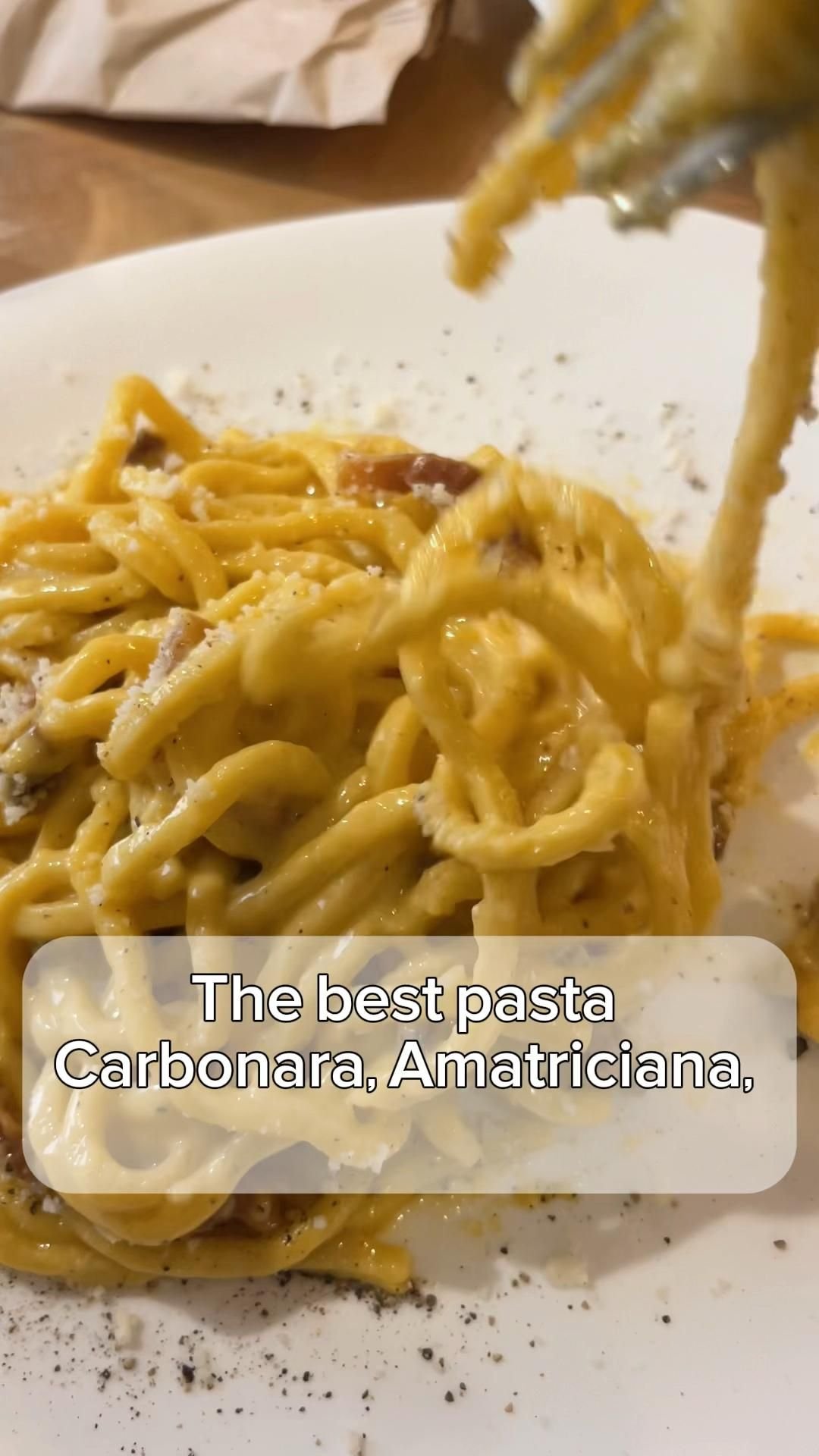
Finding truly authentic Carbonara in Rome isn't just about locating a restaurant; it's about discerning the genuine article from imitations, understanding a dish built on tradition and precision. Many visitors come to Rome with visions of creamy, indulgent pasta, only to be surprised by the true, unadulterated version—a masterpiece of simple ingredients and expert technique. If your pilgrimage to the Eternal City includes a quest for the ultimate plate of this iconic Roman pasta, you’re in the right place. We'll guide you through the city’s best, help you appreciate its nuances, and even equip you to make it yourself.
At a Glance: Your Roman Carbonara Compass
- Defining Authenticity: Understand the four core ingredients—guanciale, Pecorino Romano, egg yolks, black pepper—and what absolutely not to expect.
- Top Roman Picks: Discover award-winning eateries and local favorites renowned for their Carbonara.
- Spotting the Real Deal: Learn how to identify authentic Carbonara on a menu and at your table.
- The Home Kitchen Challenge: A step-by-step guide to recreating traditional Carbonara in your own kitchen, complete with "no-go" ingredients.
- Choosing Your Experience: Navigate options from gourmet dining to bustling trattorias based on your preference.
Unpacking True Roman Carbonara: Beyond the Cream Myth
Let's dispel the biggest misconception first: authentic Roman Carbonara does not, and never has, contained cream. Nor butter, onions, garlic, parsley, or peas. These additions, while common in adaptations outside Italy, strip the dish of its essential character and balance. The true magic lies in a delicate emulsion born from very few, very specific components.
The foundation of authentic Carbonara rests on just four pillars:
- Guanciale: Cured pork jowl, not pancetta or bacon. Its rich, fatty texture and intense flavor are non-negotiable for the dish's depth. When rendered, it provides both crispy bits and the essential fat that forms the sauce's backbone.
- Pecorino Romano: A hard, salty sheep's milk cheese, aged and intensely flavorful. It's the salty, piquant counterpoint to the guanciale and a key emulsifier. Parmigiano Reggiano is sometimes used as a partial substitute or complement, but Pecorino is the traditional star.
- Egg Yolks (and sometimes a whole egg): Primarily yolks create the characteristic rich, velvety texture. The heat from the pasta and the rendered guanciale fat gently cooks them into a luscious, glossy sauce, not scrambled eggs.
- Freshly Ground Black Pepper: Generously applied, the pepper adds a pungent, aromatic kick that cuts through the richness and brightens the flavors.
The fifth, often unsung hero is the starchy pasta cooking water. This liquid, reserved before draining the pasta, is crucial for achieving the perfect creamy consistency, helping to emulsify the eggs, cheese, and guanciale fat into a cohesive sauce. Without these elements in their proper form, you're not eating Carbonara; you're eating a pasta dish inspired by it. The origins of Carbonara are debated, with some theories pointing to post-WWII American rations, but its heart and soul are firmly rooted in Rome and the Lazio region, where this precise combination has been perfected over generations.
The Quest for Rome's Best Carbonara Plates: Top Table Picks
Navigating Rome's culinary landscape for the perfect Carbonara can be a delightful challenge. Here are the establishments that consistently rise to the top, offering distinct experiences while honoring the dish's heritage:
Roscioli Salumeria con Cucina: The Gourmet Standard
Often cited in "best of" lists and endorsed by culinary figures like Stanley Tucci, Roscioli sets a high bar. More than just a restaurant, it's a gourmet deli (salumeria) offering an exceptional dining experience. Their Carbonara is highly acclaimed, known for its superb ingredient quality—from perfectly rendered guanciale to aged Pecorino. While one reviewer might prefer their Amatriciana (another Roman classic), the Carbonara here is a masterclass in balance and execution. Expect a refined atmosphere and prices that reflect the premium ingredients and reputation. It's a prime choice for those seeking a sophisticated, award-winning version.
Tonnarello: Trastevere's Lively Gem
For a vibrant, bustling experience, Tonnarello in Trastevere is incredibly popular, and for good reason. It offers excellent value, often being €5-€10 cheaper than more upscale alternatives like Roscioli. Their Carbonara is consistently praised for its hearty portion, authentic flavor, and satisfying texture. The service is fast, and the pleasant terrace seating adds to the lively Trastevere ambiance. If you're looking for a delicious, no-frills, quintessential Roman trattoria experience that won't break the bank, Tonnarello is an excellent choice, though be prepared for a wait during peak hours due to its popularity.
Trattoria Valentino: A Local's Embrace
Highly favored by those seeking an authentic, local trattoria vibe, Trattoria Valentino embodies classic Roman cooking. Reviewers rave about its excellent Roman dishes, including a beloved Carbonara that resonates deeply with local palates. It's the kind of place where you feel immersed in the city's culinary traditions, perhaps even discovering a "carbonara-adjacent signature" dish that showcases their unique touch on similar flavor profiles. For a broader understanding of why such establishments are key to the city's culinary identity, you can always Explore traditional Roman cuisine, where the foundations of dishes like Carbonara are deeply rooted. Valentino offers a taste of Rome that goes beyond just the famous pasta dish, presenting an entire menu of beloved local fare in a charming setting.
Osteria da Fortunata - Pellegrino: Voted the Best
Savoring Italy, a reputable culinary source, voted Osteria da Fortunata's Pellegrino location as having the best Carbonara in Rome. This accolade points to a version that stays true to classic Italian taste, emphasizing purity and perfect execution of the core ingredients. Known for its fresh, hand-rolled pasta, dining here promises a textural experience that elevates the Carbonara, allowing the simple yet profound flavors to shine. It’s a compelling option for purists who prioritize traditional taste and quality pasta.
Checchino in Testaccio: The Indulgent Choice
Located in the historic Testaccio neighborhood, Checchino is recommended for a Carbonara that leans towards the rich and indulgent. This establishment has a long, storied history in Roman cuisine, particularly known for its traditional "quinto quarto" (offal) dishes. Their Carbonara reflects a deep understanding of Roman flavors, delivering a plate that is deeply satisfying and flavorful, perfect for those who appreciate a more robust rendition of the dish.
Armando al Pantheon: Carbonara with a View
Situated just steps from the Pantheon, Armando al Pantheon offers a superb Carbonara experience alongside the allure of one of Rome's most iconic landmarks. This family-run trattoria is a bastion of traditional Roman cooking, famous for its commitment to classic recipes and quality ingredients. Eating here combines culinary excellence with an unparalleled historical ambiance, making it a truly memorable Roman meal. Reservations are essential due to its popularity and prime location.
Luciano Cucina Italiana (Luciano Monosilio): The King's Domain
Chef Luciano Monosilio is often hailed as the "King of Carbonara" for a reason. His restaurant, Luciano Cucina Italiana, is dedicated to serving one of the most authentic and technically perfect versions of the dish you can find. Monosilio is meticulous about his ingredients and technique, resulting in a Carbonara that is a benchmark for purists. If you want to experience Carbonara prepared by a recognized master, this is your destination. Expect a modern yet authentic approach, where tradition meets refined execution.
Deciphering a Carbonara Menu: What to Look For (and Avoid)
When faced with a menu in Rome, knowing how to spot an authentic Carbonara can save you from disappointment. Here’s your quick guide:
Look For These Clues:
- Specific Ingredient Callouts: A truly authentic Carbonara will often proudly list
guanciale,Pecorino Romano, anduova(eggs or egg yolks). These precise terms signal a commitment to tradition. - Simple Description: The best Carbonara descriptions are typically concise, focusing on the core ingredients rather than embellishments. "Spaghetti alla Carbonara with guanciale, Pecorino Romano, and black pepper" is a good sign.
- Pasta Type: While spaghetti is common, keep an eye out for
tonnarelli(a thicker, square-cut spaghetti, popular in Lazio) orrigatoni. These are traditional choices that hold the sauce beautifully. - "Tradizionale" or "Alla Romana": If a menu explicitly states "Carbonara Tradizionale" or "Carbonara alla Romana," it's a strong indicator they adhere to the classic recipe.
Avoid These Red Flags: - Mention of "Pancetta Affumicata": While pancetta is cured pork belly,
guanciale(cured pork jowl) is the true Roman choice. Pancetta can be an acceptable substitute in a pinch, butguancialeis superior. If pancetta is listed withoutguancialeas an alternative, be slightly wary. - "Crema" or "Panna": Any mention of "cream" or "panna" (Italian for cream) is an immediate disqualifier. Run.
- Vegetables (Onions, Garlic, Peas, Mushrooms): These have no place in authentic Carbonara. Their presence indicates a deviation from the traditional recipe.
- Herbs (Parsley): While fresh herbs are wonderful in many Italian dishes, parsley is not used in Carbonara.
- "Bacon": This is a definite sign of an Americanized version.
- Unusual Pasta Shapes: While some variations exist, if you see Carbonara with penne or farfalle, it might suggest a less traditional approach to the dish overall.
If you’re ever unsure, don't hesitate to politely ask your server about the ingredients. A good Roman restaurant will be proud to explain their traditional preparation.
Crafting Carbonara at Home: A Purist's Guide
Recreating authentic Carbonara at home is both a challenge and a deeply rewarding experience. It requires attention to detail and a commitment to the "no-no's."
The Essential Ingredients (No Compromises for Authenticity)
- Pasta: 400g Tonnarelli, Spaghetti, or Rigatoni. Tonnarelli is fantastic if you can find fresh, but good quality dry spaghetti or rigatoni work well.
- Guanciale: 150-200g. Seek out high-quality cured pork jowl. This is paramount. If truly unavailable, a very good, unsmoked pancetta can be a distant second, but understand you're making a concession.
- Pecorino Romano Cheese: 100g, freshly grated. Use a high-quality, aged Pecorino. Its sharp, salty flavor is irreplaceable.
- Egg Yolks: 4-5 large egg yolks (or 3 yolks and 1 whole egg if you prefer a slightly looser sauce, though yolks are more traditional). The color of the yolk contributes to the final hue of the sauce.
- Black Pepper: Generous amount, freshly ground. Coarsely ground is best.
- Salt: For the pasta water.
The Method: Mastering the Emulsion
- Prep the Guanciale: Cut the guanciale into small strips or cubes (about 1/4 inch thick). Place it in a cold, non-stick pan over medium-low heat. Slowly render the fat, cooking until the guanciale is wonderfully crispy and golden. Remove the crispy guanciale with a slotted spoon and set aside. Keep the rendered fat in the pan.
- Boil the Pasta: Bring a large pot of generously salted water to a rolling boil. Add your pasta and cook until al dente, following package directions.
- Prepare the Emulsion Base: While the pasta cooks, whisk together the egg yolks (and optional whole egg), freshly grated Pecorino Romano, and a very generous amount of freshly ground black pepper in a heatproof bowl. Stir until a thick, paste-like consistency is formed.
- Marry Pasta and Fat: Just before the pasta is done, reserve about 1 cup of the starchy pasta cooking water. Drain the pasta (do not rinse!) and immediately transfer it to the pan with the warm guanciale fat. Toss vigorously for about 30 seconds to coat the pasta thoroughly.
- Create the Sauce (The Crucial Step): Remove the pan from the heat. This is critical to prevent the eggs from scrambling. Pour the egg-and-cheese mixture over the hot pasta in the pan. Immediately begin stirring and tossing rapidly. The residual heat from the pasta and the pan, combined with the hot guanciale fat and a splash or two of the reserved pasta water, will gently cook the eggs and melt the cheese, creating a silky, emulsified sauce.
- Adjust Consistency and Serve: Add more reserved pasta water a tablespoon at a time if the sauce is too thick or clumpy, continually stirring until it reaches a beautiful, creamy consistency that coats the pasta. Stir in most of the crispy guanciale, reserving some for garnish. Serve immediately, garnished with extra black pepper and the remaining crispy guanciale.
The "No-Go" List, Re-Emphasized: Why Purity Matters
- No Cream: Cream dilutes the intense flavor of the guanciale and Pecorino, and it alters the delicate texture achieved by the egg-based emulsion.
- No Butter: Butter adds an unnecessary richness and flavor that doesn't belong. The guanciale fat is all you need.
- No Onions or Garlic: These aromatics overpower the subtle flavors of the guanciale and Pecorino.
- No Parsley or Other Herbs: Carbonara is not an herbal dish.
- No Peas: This is a common but incorrect addition.
Pairing Perfection
Serve your authentic Carbonara with a crisp, dry white wine from the Lazio region, such as a Frascati. A simple, crusty bread to mop up any remaining sauce is also a must.
Quick Answers: Common Carbonara Questions & Misconceptions
Q: Is it okay to use pancetta instead of guanciale?
A: While guanciale is traditional and offers a superior flavor and fat composition, high-quality, unsmoked pancetta can be an acceptable substitute if guanciale is genuinely unavailable. Understand that it will alter the depth of flavor slightly.
Q: Why do some Carbonaras taste very eggy or too heavy?
A: This usually comes down to the egg-to-pasta ratio (too many eggs) or the cooking technique. If the eggs cook too much and scramble, it can taste overly eggy and be heavy. The ideal is a light, velvety coating that feels rich but not dense.
Q: Can I use whole eggs instead of just yolks?
A: Traditionally, it's mostly egg yolks for richness and color. Some recipes incorporate one whole egg alongside several yolks for a slightly looser sauce. However, relying purely on whole eggs increases the risk of a "scrambled egg" texture if not handled expertly.
Q: Is Carbonara supposed to be hot or lukewarm?
A: Authentic Carbonara should be served immediately and enjoyed very warm. The sauce relies on the heat of the pasta to emulsify, and it will start to thicken and potentially clump as it cools.
Q: What's the best pasta shape for Carbonara?
A: Tonnarelli (a thicker, square spaghetti), spaghetti, and rigatoni are all excellent choices. Tonnarelli provides a satisfying chew, spaghetti classic elegance, and rigatoni's ridges and hollows capture the sauce beautifully. The key is a pasta that holds the sauce well.
Q: Why doesn't my homemade Carbonara get creamy like the restaurant version?
A: The most common reasons are: 1) The pan isn't removed from the heat when adding the egg mixture (leading to scrambled eggs). 2) Not enough reserved pasta water is used to create the emulsion. 3) The pasta isn't tossed quickly and vigorously enough. Speed and temperature control are crucial for that silky texture.
Your Roman Carbonara Journey: A Last Word
The pursuit of authentic Carbonara in Rome is more than just finding a meal; it's an immersion into the soul of Roman cuisine. Whether you choose the refined atmosphere of Roscioli, the bustling charm of Tonnarello, the local embrace of Trattoria Valentino, or the master's touch at Luciano Cucina Italiana, each plate tells a story of tradition, passion, and precision. Armed with the knowledge of what makes a Carbonara truly authentic—and what to avoid—you're now ready to embark on your own delicious adventure. Enjoy the process of tasting, comparing, and perhaps even mastering this beloved Roman classic in your own kitchen. The perfect plate awaits.